
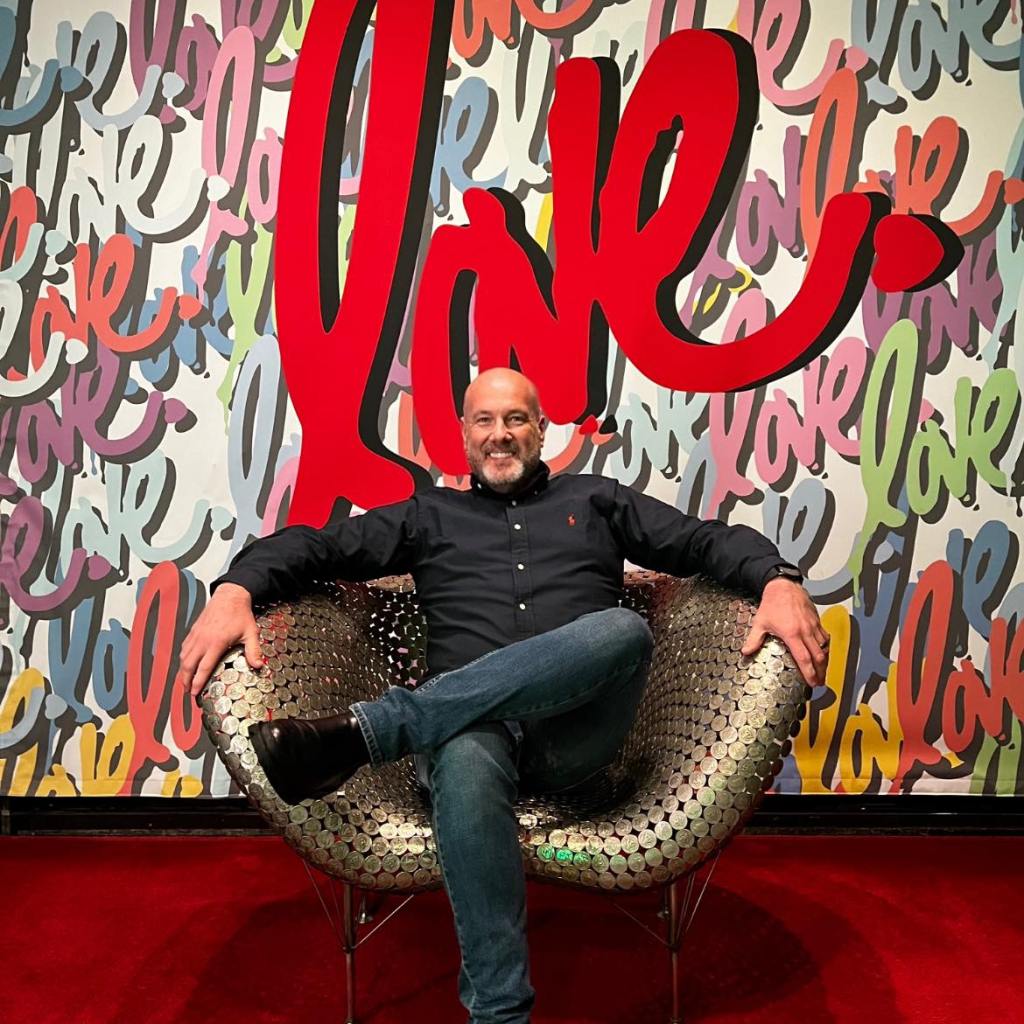
I was raised in a loving Southern Baptist home, surrounded by faith, family, and the kind of certainty that makes the world feel orderly and secure. My early life was marked by many good times—laughter, belonging, and a deep sense that God was near and dependable. Faith was not something I questioned; it was something I lived inside of, like a language everyone around me spoke fluently.
But life, as it does, unfolded in ways I could not control or explain. Alongside the good, I experienced seasons of profound pain—the kind that doesn’t resolve neatly or respond well to well-meaning answers. One of those seasons brought me into a dark place, and in that space, I experienced a genuine crisis of faith. Not a crisis born of rebellion or indifference, but one born of heartbreak, confusion, and unanswered prayers. The beliefs that once felt sturdy no longer held the weight of real suffering, and I was left asking questions I had never been taught how to ask.
What emerged from that breaking was not disbelief, but clarity. I began to see how easily faith can become rigid, transactional, or weaponized, especially when certainty is valued more than compassion. I realized that I was less interested in defending systems, labels, or doctrines, and far more compelled by grace. Not grace as a theological concept, but grace as a lived posture: loving people without prerequisites, listening without fixing, and choosing humanity over judgment.
That realization slowly reshaped how I understand myself and how I show up in the world. I no longer call myself a Christian. Not because I reject Jesus or the values He embodied, but because the word itself had come to feel burdened with expectations and exclusions that no longer aligned with my heart. Instead, I call myself a Gracist—someone committed to practicing grace without the fine print. It’s a name that reflects movement rather than arrival, humility rather than certainty, and love over labels.
My journey continues to be one of learning and unlearning, of holding faith with open hands instead of clenched fists. I don’t pretend to have everything figured out. What I do know is this: grace changes people. Love heals what arguments cannot. And the truest measure of a belief is not how loudly it is proclaimed, but how deeply it loves. That conviction is the heartbeat of my life, and the reason The Gracist Project exists.

 thegracistproject.com